

Masks
Within each of us exists a quiet assembly — an internal chorus of figures that guide, question, and at times restrain our actions. This “support” group is not singular but composed of shifting presences: the critic, the defender, the child. They speak in different tones, assume different roles, and surface with varying intensity.
At times, their voices are barely perceptible — like a distant echo. At others, they become insistent, shaping decisions, redirecting gestures, drawing invisible boundaries around what feels possible. And yet, they are not solely forces of limitation; they also protect, anticipate, and warn.
The strength of this internal constellation is rooted in the histories we carry — the emotional and psychological inheritance we bring into adulthood. When maturity is grounded and whole, the self remains at the center, listening yet discerning, able to navigate beyond the murmurs of these inner figures.
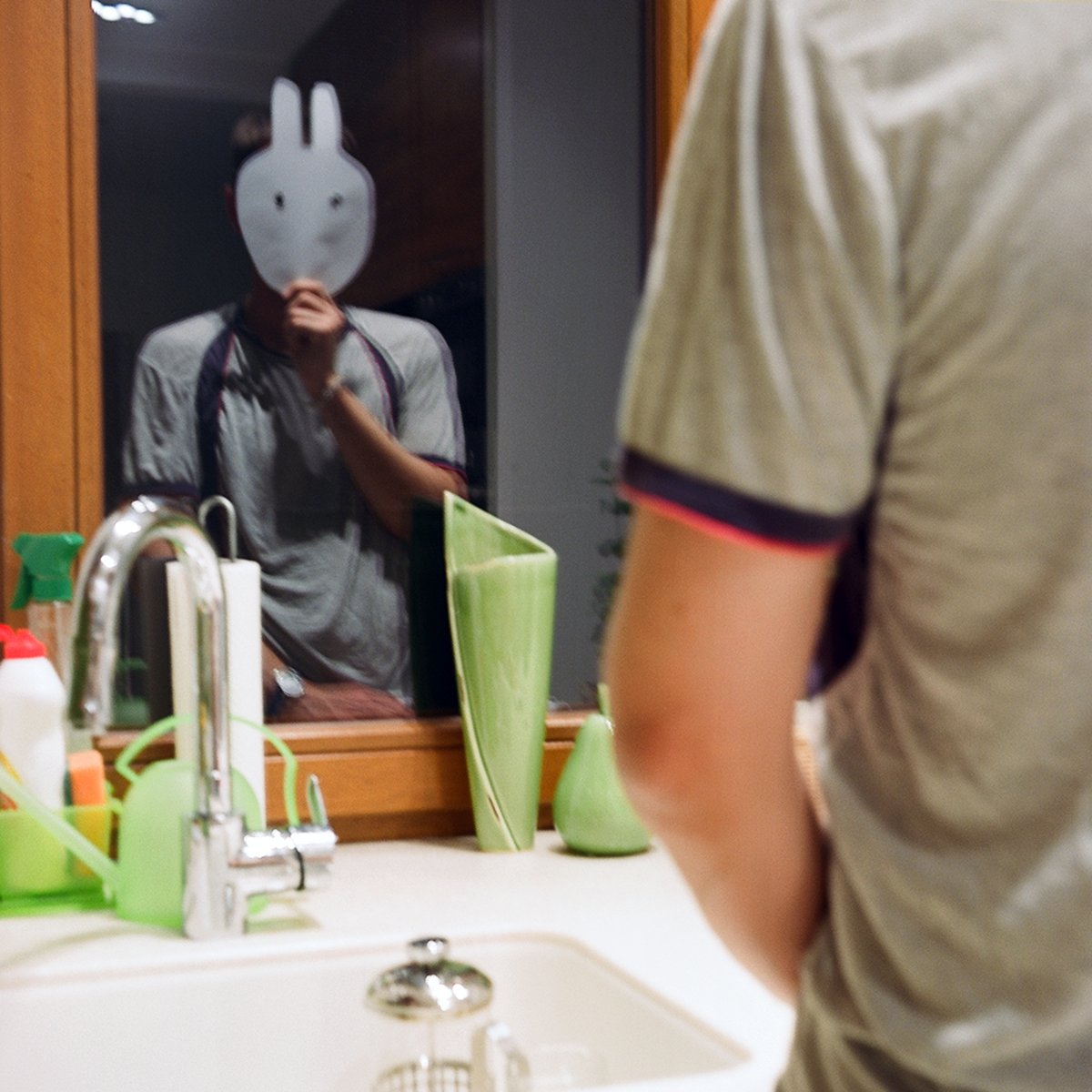
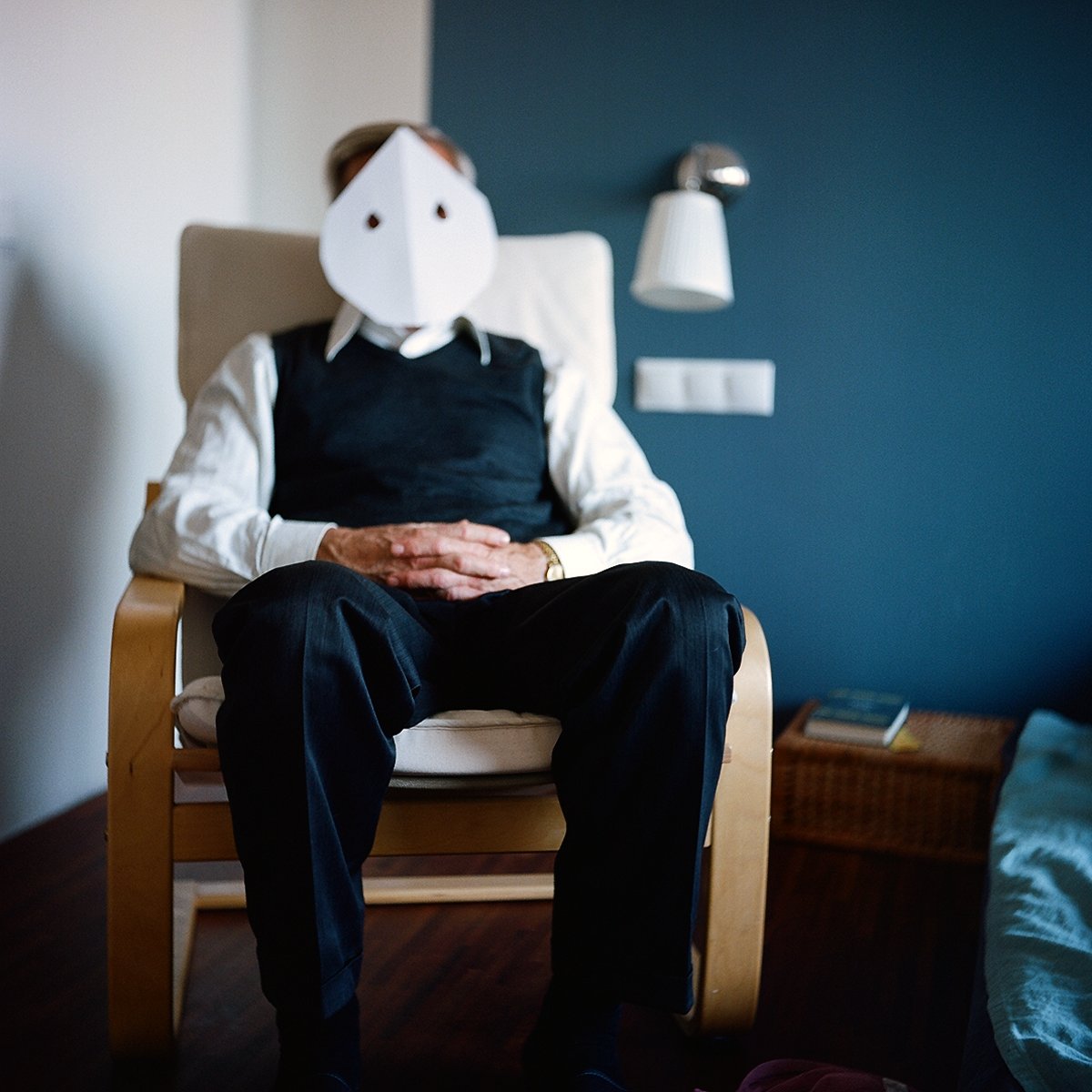
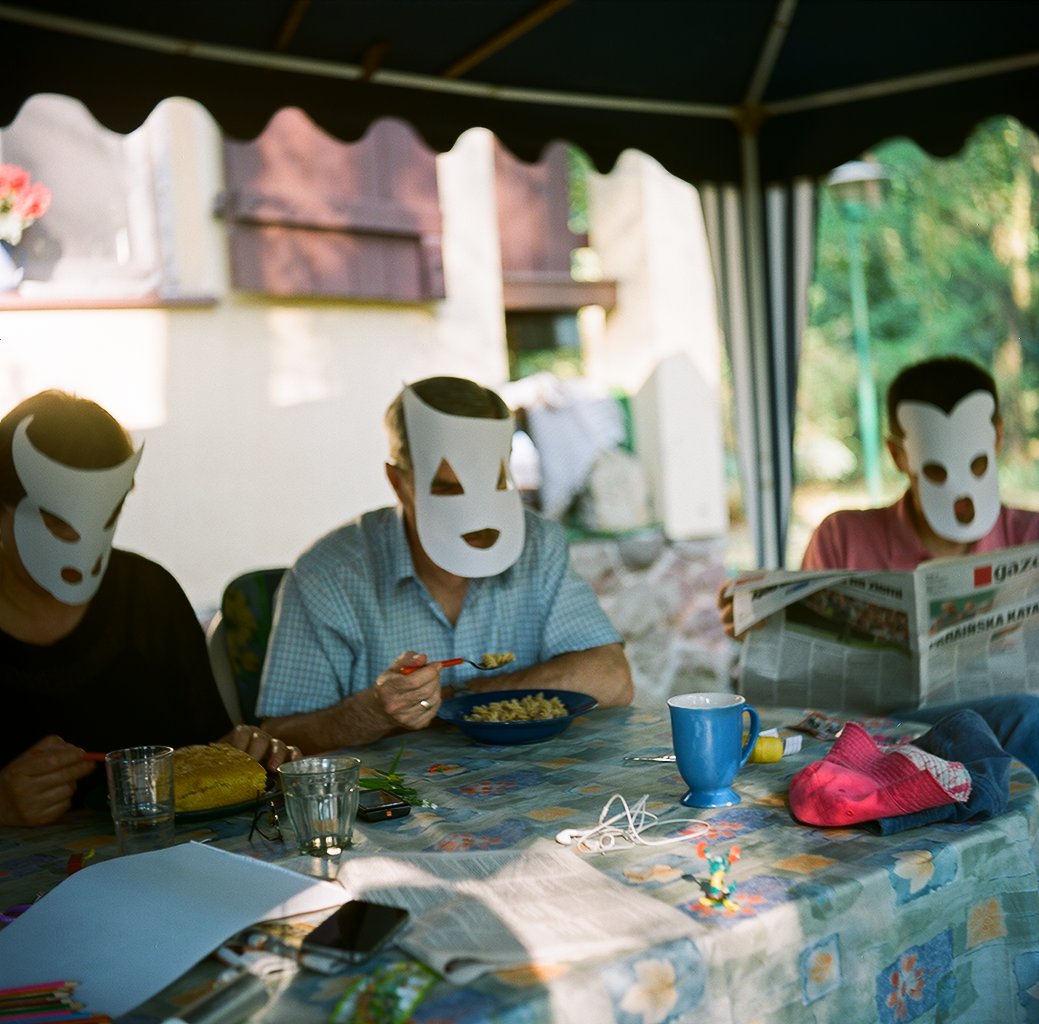
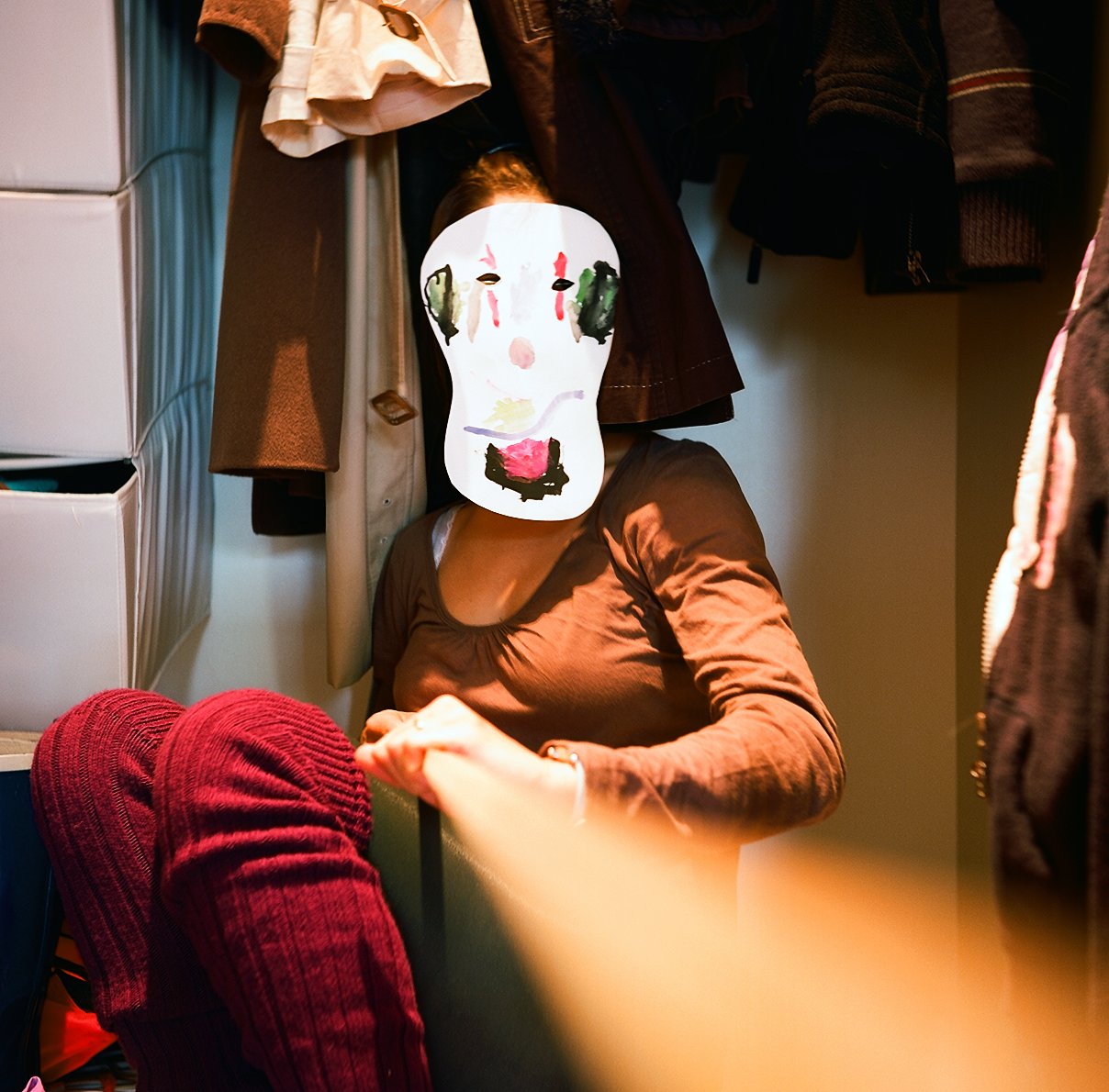
But when that internal foundation is fractured, the balance shifts. The critic may take control, the defender may overstep, the child may lead. In such moments, the self recedes, and what emerges instead is a performance — a carefully worn mask through which we move in the world. The individual becomes both actor and stage, while the internal “support” group directs the unfolding scene from within.